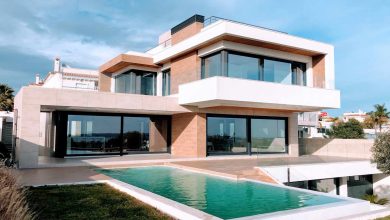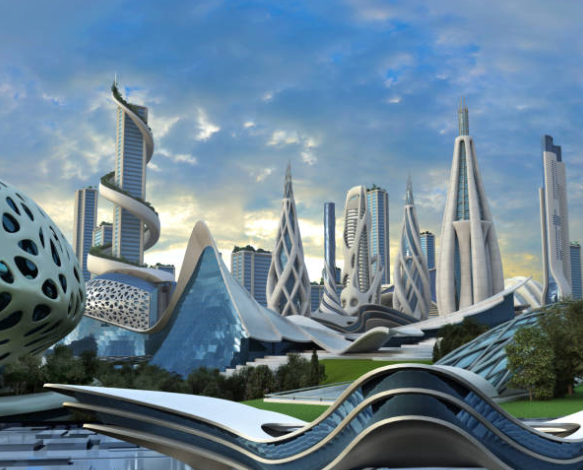
Futuristic building design is revolutionizing architecture by blending advanced technology, sustainable practices, and visionary aesthetics. Unlike traditional structures, these designs emphasize adaptability, energy efficiency, and user-centric functionality. Architects today are not just constructing buildings; they are creating ecosystems that respond to human needs and environmental challenges. From smart materials to AI-driven designs, futuristic architecture promises a seamless integration of form, function, and innovation, redefining the urban landscape of tomorrow.
Integration of Technology in Architecture
One of the most defining features of futuristic building design is the integration of cutting-edge technology. Intelligent systems, such as automated climate control, smart lighting, and energy management platforms, are now standard in high-tech structures. Buildings are increasingly equipped with sensors that monitor structural health, optimize energy consumption, and enhance safety. Furthermore, virtual and augmented reality tools are enabling architects to visualize complex designs and simulate real-world conditions before construction begins. These technological innovations ensure that futuristic buildings are not only aesthetically striking but also highly functional and responsive to the needs of occupants.
Sustainable and Eco-Friendly Approaches
Futuristic building design places a strong emphasis on sustainability and environmental responsibility. Architects are now focusing on creating structures that minimize carbon footprints, utilize renewable energy sources, and incorporate green spaces. Solar panels, wind turbines, and rainwater harvesting systems are seamlessly integrated into building designs, reducing reliance on non-renewable resources. Additionally, vertical gardens, green roofs, and energy-efficient façades enhance both the ecological and visual appeal of buildings. Sustainability in futuristic architecture is not an afterthought; it is a core principle that shapes every design decision, ensuring that structures coexist harmoniously with their environment.
Innovative Materials and Construction Techniques
The materials used in futuristic building design are equally revolutionary. Lightweight composites, self-healing concrete, and transparent aluminum are just a few examples of how modern materials are pushing the boundaries of architecture. These materials provide durability, flexibility, and aesthetic versatility, allowing architects to experiment with forms that were once impossible. Additive manufacturing, or 3D printing, is also transforming construction by enabling the creation of complex, customized structures with minimal waste. This combination of innovative materials and advanced techniques ensures that futuristic buildings are resilient, sustainable, and visually compelling.
Smart Urban Integration
Futuristic buildings are designed not in isolation but as integral components of smart cities. Urban planning now prioritizes connectivity, accessibility, and community engagement. Buildings are equipped with IoT-enabled devices that communicate with public infrastructure, traffic systems, and emergency services, creating a networked environment that enhances the quality of urban life. Shared spaces, multifunctional areas, and adaptive layouts promote social interaction while maximizing efficiency. By harmonizing with the broader urban ecosystem, futuristic architecture contributes to cities that are intelligent, sustainable, and more livable for their residents.
Aesthetic Vision and Architectural Creativity
A hallmark of futuristic building design is its bold, imaginative aesthetic. Architects are breaking away from conventional forms and embracing organic shapes, fluid structures, and dynamic facades that reflect technological progress and cultural evolution. Light manipulation, reflective surfaces, and kinetic elements create buildings that transform with environmental conditions and human interaction. This creative vision not only produces visually striking landmarks but also inspires innovation in how people experience and interact with built spaces. The fusion of art, science, and technology in futuristic architecture is redefining the possibilities of structural expression.
Human-Centered Design
Despite its technological sophistication, futuristic building design remains deeply human-centered. Architects are prioritizing comfort, accessibility, and wellness, creating spaces that promote productivity, health, and emotional well-being. Natural light, ventilation, acoustic optimization, and ergonomic layouts are integral to design strategies. Moreover, flexible spaces that can adapt to changing lifestyles, work patterns, and social needs exemplify the focus on occupant experience. By placing humans at the core of architectural innovation, futuristic buildings not only look forward but also ensure that the structures serve the people who inhabit them effectively.
Conclusion
Futuristic building design represents a bold intersection of technology, sustainability, and creativity. It transcends traditional architectural boundaries, emphasizing smart systems, eco-conscious materials, and human-centered innovation. These buildings are not just structures; they are dynamic, responsive environments that adapt to the evolving needs of urban life. As cities continue to grow and environmental challenges intensify, the principles of futuristic design will shape a world where architecture is as functional as it is visionary. Through a combination of advanced technology, sustainable practices, and imaginative aesthetics, futuristic buildings stand as a testament to the limitless possibilities of human ingenuity.