Introduction
Flipping furniture has gone from a weekend hobby to a viable business for creative people who like to work with their hands and sell things strategically. Flipping furniture means buying old, broken, or used furniture, fixing it up, and then selling it for more than you paid for it. One thing that makes this business so intriguing is that it doesn’t require a storefront, expensive equipment, or any training to get started. Many people find that flipping furniture can make them money on a regular basis while also helping the environment by keeping furniture out of landfills. All you need is some patience, basic skills, and an eye for design.
Online marketplaces and social media have made it easier than ever to find buyers who like one-of-a-kind, refurbished items. People are putting more and more emphasis on character, workmanship, and eco-friendly choices, all of which refurbished furniture can offer. People’s attitudes have changed, which has turned furniture flipping from a small side job with limited potential into a real business opportunity. The process rewards creativity, problem-solving, and market understanding, whether you do it part-time or full-time.
Getting to Know the Basics of Furniture Flipping
Before you start flipping furniture, you need to know how the process works to make it work. Finding furniture is the first step in the process. You can get it from thrift stores, estate sales, internet classifieds, or even anything you discover on the curb. After getting a piece, it is checked for structural soundness, design potential, and resale value. This stage of evaluation is particularly important because not every piece is worth fixing, even if it was cheap to buy.
Restoration begins after sourcing and can include cleaning, fixing, sanding, painting, refinishing, or reupholstering. The amount of work needed depends a lot on how the piece is now and how you want it to look after it’s done. After being fixed up, the furniture is set up, photographed, priced, and put up for sale. To flip furniture successfully, you need to be able to manage your time and money well enough that the ultimate sale price is worth the work you put in.
How to Pick the Right Furniture to Flip

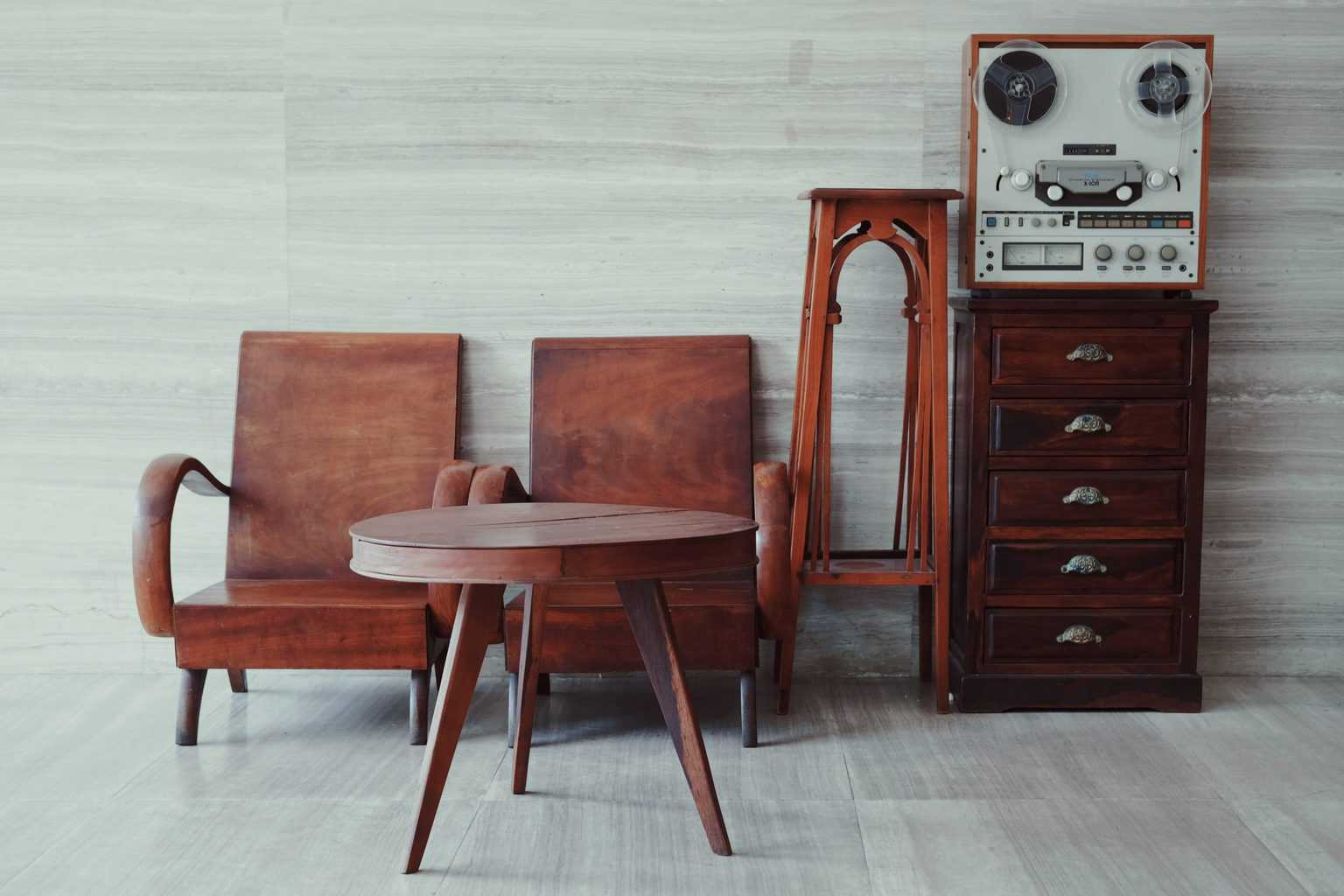
One of the most crucial things you can do to be successful in flipping furniture is to choose the proper pieces. Solid wood furniture is frequently preferable than particle board since it lasts longer and is easy to restore. Dressers, dining tables, nightstands, coffee tables, and cabinets are quite popular since they are useful, can be used in many ways, and look good to a lot of people. People who desire something different often buy things with classic lines or a vintage look.
It’s just as crucial to know what furniture to stay away from. If a piece has a lot of water damage, warped frames, or other serious structural problems, it may take more time and money than it’s worth to fix. Trends also affect what people choose, since customers tend to like furniture that fits modern living spaces, neutral hues, and simple designs. Knowing what sells well in your area lowers risk and raises the chance of making money.
Finding Furniture for Flipping
Finding the right furniture is the most important part of flipping furniture, and being consistent in your sourcing is frequently what leads to long-term success. Many flippers buy furniture from secondhand stores and estate sales since these places can have good furniture for low prices. Online markets are particularly useful since sellers typically offer furniture they want to get rid of quickly, which means prices can be negotiated.
Networking is another good way to find sources. If you tell your friends, family, and neighbors that you want unwanted furniture, you can get some for free or for a moderate price. Some folks even set up regular curbside pickups in neighborhoods where renovations happen a lot. Over time, skilled flippers learn to see hidden possibilities and recognize components that other people might miss.
Things and Tools You Need to Flip Furniture
You don’t need a big workshop to flip furniture, but having the correct equipment makes the job go faster and more fun. Most projects may be done with just a few basic instruments, like paint brushes, rollers, screwdrivers, and a power sander. As your abilities grow, you may get even better outcomes with more instruments, like spray systems, clamps, and electric drills.
Materials are also very important in the process of change. A piece might look very different with paint, stain, sealer, wood filler, and new hardware. When you choose high-quality products, they frequently last longer and make customers happier. Having a modest stock of items that are utilized often makes tasks go more smoothly and cuts down on the time between flips.
Restoration Methods That Increase Value
When it comes to flipping furniture, restoration is where creativity shines. Sanding and repainting are easy ways to make an old piece look new again. More complicated processes, like distressing or refinishing, bring out the furniture’s innate beauty. Replacing hardware is another cheap approach to update an item; new knobs or handles can make it look a lot better.
Upholstery work requires more talent, but it can lead to projects that are worth more money. You may make an old chair or bench into a statement piece by replacing the faded fabric with new colors or textures. No matter what method you use, the goal is to improve both the look and the function while keeping the structure strong. People are more likely to pay more for furniture that looks good and is strong.
Managing time and Making the Most of Your Workflow
Time management is quite important for furniture flipping, especially for people who are working on more than one project at a time. Setting up a workflow helps keep things consistent and stops people from getting burned out. A lot of flippers set aside certain days for sourcing, restoring, and selling, making sure that each step gets the right amount of attention.
It can also be more efficient to group comparable chores together. For instance, sanding several pieces at once or painting in the same session cuts down on the time it takes to set up and clean up. Keeping track of how much time is spent on each project will help you figure out how profitable it is and where you might make improvements. Over time, improving workflow leads to faster turnaround times and more money-making opportunities.
How to Set Prices for the Most Profit
When flipping furniture, pricing is both an art and a science. The best price takes into account the cost of materials, the time spent, the demand in the market, and the perceived value. Looking at similar postings gives you a baseline, but a greater price may be justified if the item has unique features or better craftsmanship. Being clear about prices helps buyers trust you, especially when you explain how the restoration works.
If you set your prices too low, you might sell quickly, but your profits will be lower. If you set your prices too high, your listings might not sell. You need to try different things and know what’s going on in the market to find the perfect balance. Prices are also affected by the time of year, since some pieces of furniture sell better at particular times of the year. Keeping inventory moving and income steady by changing prices based on demand.
How to Market and Sell Flipped Furniture
To flip furniture successfully, you need to promote it well. Buyers generally make their decision based on high-quality photos that show off the craftsmanship and details. Natural light, clean backdrops, and different angles all help show off the greatest parts of the furniture. Descriptions should be clear and helpful, focusing on the materials, sizes, and special features.
Online marketplaces and social media sites let buyers get in touch with you directly, so you don’t need a physical store. Over time, consistent branding and presentation help people remember your brand. Answering questions quickly and giving customers various pickup options make the customer experience even better, which leads to good reviews and repeat business.
Benefits for the Environment and Sustainability
One of the best things about flipping furniture is that it is good for the environment. Flippers cut down on waste and save resources that would have been utilized to make new things by fixing up and reusing furniture. This technique fits with the increased interest of consumers in being environmentally friendly and responsible with their money.
People who buy refurbished items typically like to know the narrative behind them, especially if it shows skill and care. If you focus on sustainability in your marketing, you can attract clients who care about the environment and set your products apart from others. Over time, this connection with eco-friendly ideals builds brand trust and customer loyalty.
Common Problems When Flipping Furniture

Furniture flipping, like any other business, has problems that need you to be flexible and keep going. Unexpected maintenance, not having enough supplies, and changing demand can all hurt profits. Beginners may also have trouble figuring out how much things will cost or how to use their time wisely, which can limit profits.
Mistakes are part of the process of learning. Keeping accurate records of costs, sales, and lessons learnt will help you make better decisions. Getting ideas from experienced flippers and keeping up with design trends can also help with problems. With time and effort, problems can turn into chances to flourish.
How to Turn Furniture Flipping into a Full-Time Job
Scaling furniture flipping means getting more business without lowering the quality of the work. This could mean hiring outside help for some jobs, buying better tools, or teaming up with suppliers. As businesses develop, it becomes more and more crucial to have consistent branding and customer service.
Offering a wider range of products might also help you make more money. Offering unique items or themed collections appeals to niche customers and lets you charge more. With good management, a little side project can grow into a full-time business that makes money and gives you creative satisfaction over time.
Conclusion
Flipping furniture can help you build your business and make you happy in the long run, not just in the short term. The abilities you learn in restoration, design, and sales can be used in many different fields. Many flippers notice that their work develops into a style that people can recognize, which brings in loyal customers who appreciate their skill.
The market for restored furniture is anticipated to be high as long as trends continue to prioritize sustainability and uniqueness. If you keep flexible and focused on quality, flipping furniture may be a dependable and profitable business. This technique has the power to change both environments and lives if people are dedicated, creative, and prepare ahead.
Read More:- Dog Crate Furniture Guide for Stylish, Comfortable Home Living