Rising energy costs have homeowners paying closer attention to how efficiently their HVAC systems operate. What many don’t realize is that a significant portion of energy waste comes from something as simple—and often overlooked—as airflow leaks. Small gaps and poorly sealed ducts can quietly drain your energy budget while reducing comfort throughout your home. Addressing these issues is one of the most practical ways to improve efficiency without replacing your entire system.
One of the most effective solutions is duct sealing and testing in Wilmington, NC, which helps identify hidden leaks and ensures your HVAC system distributes air properly. When ducts are sealed correctly, your system doesn’t have to work as hard to maintain the desired temperature, resulting in lower energy bills and a more consistent indoor environment.
Why Airflow Leaks Are a Hidden Energy Drain
Airflow leaks typically occur in ductwork that runs through attics, crawl spaces, or walls. Over time, joints loosen, seals degrade, and small cracks develop. While each leak may seem minor, collectively they can cause substantial energy loss.
In fact, studies suggest that homes can lose up to 20–30% of conditioned air through duct leaks. This means your HVAC system is working overtime to compensate, consuming more energy than necessary. Even worse, uneven airflow can create hot and cold spots, making it harder to maintain comfort.
By addressing these inefficiencies early, homeowners can avoid escalating utility costs and reduce strain on their systems.
Signs Your HVAC System Has Airflow Leaks
Identifying airflow leaks isn’t always straightforward, but there are clear warning signs you shouldn’t ignore.
Uneven Temperatures Across Rooms
If some rooms feel significantly warmer or cooler than others, it often indicates that air isn’t being distributed evenly due to leaks.
Higher-Than-Normal Energy Bills
A sudden or gradual increase in energy costs without a change in usage patterns can point to inefficiencies within your HVAC system.
Weak Airflow from Vents
If airflow feels weaker than usual, it may be escaping before reaching your living spaces.
Excess Dust or Poor Indoor Air Quality
Leaks can pull in dust, insulation particles, and pollutants from unconditioned spaces, affecting the air you breathe.
By paying attention to these indicators, homeowners can act before the problem worsens.
How Professional Duct Sealing Improves Efficiency
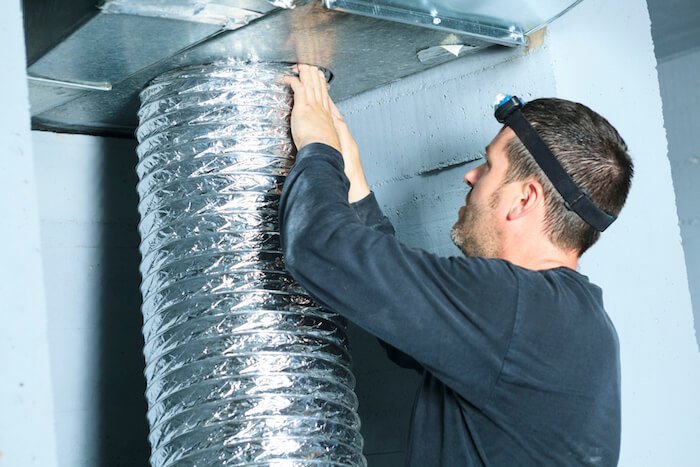
Professional sealing goes beyond basic patchwork. It involves a comprehensive inspection of your duct system using specialized tools to locate leaks that are not visible to the naked eye.
When you invest in duct sealing and testing in Wilmington, NC, technicians measure airflow performance, identify pressure imbalances, and seal leaks using durable materials. This process ensures that conditioned air reaches its intended destination without unnecessary loss.
The result is a system that operates more efficiently, maintains consistent temperatures, and delivers better overall performance.
Key Benefits of Fixing Airflow Leaks
Sealing duct leaks offers immediate and long-term advantages that go beyond just saving money.
- Lower energy bills by reducing wasted air and improving system efficiency
- Improved home comfort with consistent temperatures in every room
- Enhanced indoor air quality by preventing contaminants from entering the system
- Extended HVAC lifespan due to reduced strain on components
- Better humidity control, especially in climates with high moisture levels
These benefits make duct sealing a cost-effective upgrade compared to major system replacements.
Additional Steps to Maximize HVAC Efficiency
While duct sealing is essential, combining it with other maintenance practices can further enhance your system’s performance.
Regular HVAC Maintenance
Routine inspections and tune-ups help identify minor issues before they become major problems.
Air Filter Replacement
Dirty filters restrict airflow, forcing your system to work harder. Replacing filters regularly ensures optimal performance.
Proper Insulation
Insulating ducts and living spaces helps maintain temperature stability and reduces energy loss.
Smart Thermostat Usage
Programmable or smart thermostats allow you to control temperature settings efficiently, minimizing unnecessary energy use.
When these practices are combined with properly sealed ducts, the overall impact on energy savings can be substantial.
Why DIY Fixes Often Fall Short
Some homeowners attempt to seal ducts themselves using tape or basic sealants. While this may provide temporary relief, it rarely addresses the root cause of airflow inefficiencies.
Professional services use advanced diagnostic tools and long-lasting materials that ensure leaks are sealed effectively. Additionally, technicians can evaluate the entire system, identifying issues such as improper duct sizing or airflow imbalances that DIY solutions often miss.
Investing in expert services ensures a thorough and lasting improvement rather than a short-term fix.
The Long-Term Impact on Energy Savings
Fixing airflow leaks is not just about immediate savings—it’s a long-term investment in your home’s efficiency. Over time, reduced energy consumption translates into significant financial savings, often outweighing the initial cost of duct sealing.
Moreover, a well-maintained HVAC system contributes to a more sustainable household by lowering overall energy usage. This aligns with growing efforts to reduce environmental impact while maintaining modern comfort standards.
Conclusion
Airflow leaks may be out of sight, but their impact on your energy bills and home comfort is significant. By identifying and sealing these leaks, homeowners can dramatically improve HVAC efficiency, reduce costs, and create a healthier indoor environment.
Rather than letting your system work harder than necessary, taking proactive steps to address duct inefficiencies ensures better performance and long-term savings. A professionally sealed system not only enhances comfort but also protects your investment, making it a smart and practical choice for any homeowner looking to optimize energy use.