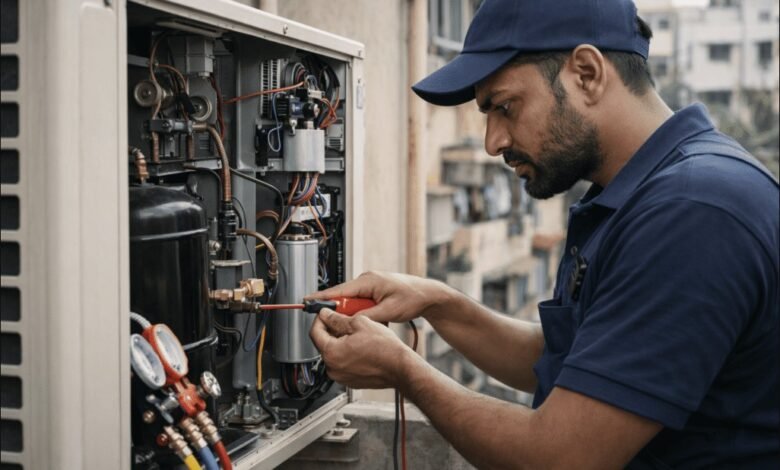
Your AC compressor is the heart of your cooling system. When it fails, comfort disappears fast and repair costs climb. Learn the top causes of AC compressor failure and how consistent care can stop problems before they start. Smart habits and professional attention keep your system running longer and stronger.
A failed AC compressor can turn a hot day into pure misery. This hardworking part pumps refrigerant through the system so your home stays cool and dry. When it stops, the whole unit often follows. The good news is that many failures trace back to preventable issues. Regular attention, including AC maintenance before compressor issues catches small problems early and protects this expensive component. Understanding the main causes helps you act sooner. With the right care, most systems deliver reliable cooling for years instead of facing sudden breakdowns and high replacement bills.
What Causes AC Compressor Failure
Compressors rarely quit without warning signs building over time. Heat, dirt, low refrigerant, electrical stress, and a few other factors are the usual suspects.
1. Overheating from Dirty Coils or Restricted Airflow
Dirty condenser coils trap heat outdoors. The compressor then runs hotter and harder to move refrigerant. Leaves, grass, and dust build up quickly in humid climates. Poor airflow from a clogged filter or blocked outdoor unit makes the problem worse. High discharge temperatures wear internal parts and can seize the motor.
Keeping the outdoor unit clear and changing filters on schedule reduces this strain. Professional cleaning during routine service removes buildup that simple outdoor rinsing misses.
2. Low Refrigerant and Lubrication Problems
Refrigerant carries oil that lubricates the compressor. A leak lets both escape. The unit keeps running with less oil, leading to friction, overheating, and eventual failure. Low charge also changes operating pressures and raises temperatures inside the compressor.
Technicians check pressures and look for leaks during maintenance visits. Fixing a small leak early costs far less than replacing a damaged compressor.
3. Electrical Issues
Capacitors give the compressor the jolt it needs to start. When they weaken, the motor struggles and overheats. Bad contactors, loose wiring, or voltage problems create the same stress. These electrical faults often appear as intermittent cooling or a unit that hums but will not start.
Inspection and testing of electrical components during tune-ups catch weak parts before they take the compressor down.
4. Contamination and Debris
Moisture, dirt, or leftover particles inside the system create acids and sludge. These attack valves, bearings, and motor windings over time. Even small amounts of contamination can shorten compressor life significantly.
Proper system flushing and sealed connections during service help keep the refrigerant circuit clean.
5. Short Cycling
When the system turns on and off too frequently, the compressor never gets a chance to build proper oil return or cool down. This repeated hard starting generates excess heat and wear. Causes include thermostat problems, restricted airflow, or an oversized unit that cools the space too quickly.
Steady run times protect the compressor far better than constant short bursts.
6. Improper Sizing or Installation
An AC unit that is too large or too small for the home forces the compressor to operate outside its designed range. Incorrect refrigerant line sizing, poor brazing, or inadequate airflow design at installation can create chronic pressure problems and early failure.
Correct sizing and careful installation from the start give the compressor the best chance at a long service life.
Can Maintenance Prevent AC Compressor Failure
Yes. Most compressor failures develop from issues that scheduled service identifies and corrects. AC maintenance before compressor issues focuses on the exact factors that shorten compressor life.
During a professional visit, technicians clean coils, measure refrigerant levels, test capacitors and contactors, inspect wiring, and verify airflow. They also check for early signs of wear, short cycling, and contamination risks. Homeowners support this work by replacing filters every one to three months and keeping the outdoor unit free of debris.
Membership plans that include seasonal cleanings and tune-ups make this consistent. The result is lower operating temperatures, proper lubrication, and stable electrical performance. Systems that receive this attention typically last longer and use less energy.
Actionable tips anyone can follow:
- – Change or clean filters regularly.
- – Clear leaves and grass from around the outdoor unit.
- – Schedule professional service at least once a year, ideally before peak cooling season.
- – Listen for unusual noises or notice weaker cooling and call for service promptly.
These steps, paired with expert inspection, address the root causes before they destroy the compressor.
FAQs
Why does my AC suddenly stop cooling even if the fan runs
The compressor may have failed or a safety switch shut it down due to low refrigerant or overheating. A technician can diagnose the exact reason quickly.
How often should I schedule AC service to protect the compressor?
Most homes benefit from at least one thorough check each year. Twice-yearly visits offer extra protection in demanding climates.
Can a dirty air filter really harm the compressor?
Yes. Restricted airflow forces the system to work harder, raising temperatures and stress on the compressor over time.
Is refrigerant loss always a sign of a leak?
In a closed system, yes. Refrigerants do not get “used up.” Low levels almost always mean a leak that needs repair.
What is the most cost-effective way to avoid compressor replacement?
Consistent professional maintenance combined with simple homeowner habits like filter changes and outdoor unit care.
Wrapping Up
AC compressor failure usually stems from overheating, low refrigerant, electrical problems, contamination, short cycling, or improper sizing and installation. These issues rarely appear overnight. Regular care stops them from growing into expensive repairs. Including AC maintenance before compressor issues in your routine protects the most costly part of your system, improves efficiency, and extends overall equipment life. Clean coils, correct refrigerant levels, healthy electrical components, unrestricted airflow, and proper system design keep the compressor operating within safe ranges. Schedule professional service, stay on top of filters, and keep the outdoor unit clear. These straightforward actions deliver reliable cooling and peace of mind through every hot season.