Creating Year-Round Outdoor Living Spaces with Smart Material Choices

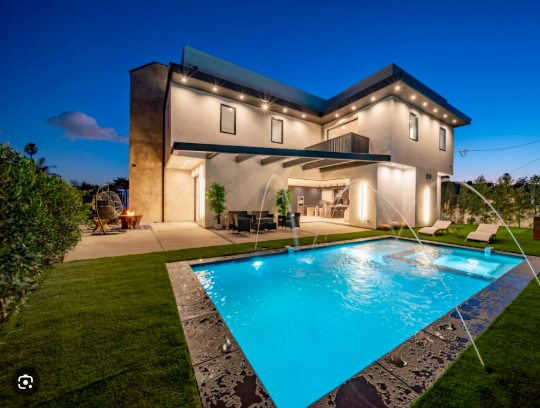
The majority of outdoor spaces are perfect for spring but impossible to enjoy during the heat of summer or the cold of winter. The key to a successful year-round outdoor living design is not to add more elements but to select the right materials from the beginning.
What Makes Materials Work All Year
A patio that is empty most of the year is likely to have one of the following problems:
- Pavers that are too hot to walk on without shoes in the summer
- Slippery surfaces when wet
- Wood that warps or cracks
- Fading colors and finishes
- Standing water after rain
The right materials will naturally address these problems. Climate-adjusted material choices are commonly directed by LA backyard remodeling specialists who understand how heat, moisture, and UV rays impact outdoor performance.
Heat-Resistant Decking and Cool Surfaces
Surface temperature is important. Dark pavers in the sun can get as hot as 140°F. You can’t use a space if you can’t walk on it.
Better choices for hot climates:
- Light-colored concrete or pavers
- Travertine or limestone (cooler than granite)
- Capped composite decking with reflective pigments
- Porcelain pavers with low heat absorption
Decking made from wood requires careful consideration. Ipe and cumaru are resistant to warping but are expensive. Pressure-treated pine is cheap but tends to splinter with age. Composite decking prevents rot, but older materials tend to fade badly; capped decking is much improved.
All-Weather Outdoor Materials That Last
When it comes to designing outdoor spaces for all seasons, it is important to choose materials that can withstand temperature changes, rain, and sunlight without needing frequent repairs.
Freeze-thaw resistant paving materials:
- Dense concrete with appropriate air content
- Granite or quartzite (low water absorption)
- Porcelain tile
- Avoid: sandstone and soft flagstone in cold climates
Moisture-resistant framing for structures:
- Pressure-treated lumber for posts and beams
- Aluminum or steel (must be powder-coated or galvanized)
- Rot-resistant woods such as cedar or redwood
Standing water will degrade materials faster than anything else. The right drainage and slope are not nice-to-haves, but what separates all-season outdoor flooring from flooring that lasts five years.
Slip-Resistant Pool Decks and Wet Areas
Safety always comes first for pools, spas, and high-traffic areas.
Good traction when wet:
- Brushed or broom-finished concrete
- Textured pavers
- Some composite boards with an embossed finish
Avoid near water:
- Polished stone
- Smooth tile
- Sealed wood
Pergola and Patio Cover Materials
Shade structures decide whether you can use your space during midday heat or light rain.
Wood pergolas have a natural appearance but require painting every 2-3 years. Aluminum pergolas will not rot, but are not suitable for heavy loads. Steel has the greatest strength.
Solid covers with insulated panels prevent rain and keep the heat out. Retractable systems allow you to change with the seasons, but come with moving parts that will eventually need to be replaced.
Weatherproof Outdoor Finishes
Even the most resilient materials require protection. Unprotected concrete will stain and crack. Exposed wood will turn gray and develop fissures. Metal will rust.
Maintenance cycles:
- Sealed concrete: reseal every 2–4 years
- Natural stone: seal annually in high-traffic areas
- Composite decking: wash annually to avoid mold
- Wood: seal or stain every 1-3 years, depending on exposure
UV-resistant surfaces retain their color longer. Marine-grade sealers work better with moisture than regular sealers. Powder-coated metal lasts longer than paint.
Outdoor Insulation and Enclosure Systems
If you want to use your space in winter, consider weather protection. Roll-down screens prevent wind and insects from entering. Glass walls provide true outdoor rooms but are more expensive. Infrared heaters warm people rather than the whole air mass. Fire features establish warm areas during cool evenings.
It is best if the underlying materials are already capable of dealing with moisture and temperature changes. The added features will then be more effective.
Coastal and Inland Climate Durability
Location changes everything.
Coastal areas need:
- Stainless steel or galvanized fasteners (regular steel rusts fast)
- Sealed masonry to block salt
- Mold-resistant finishes
- Full-cap composite decking
Inland areas need:
- UV-resistant finishes that don’t fade
- Materials that handle big temperature swings
- Proper sealing to prevent drying and cracking
- Concrete that’s cured correctly to avoid surface damage
Maintenance-Friendly Exterior Materials
The best material is one you don’t have to fix or replace constantly. Porcelain pavers need occasional cleaning. Capped composite decking resists staining and fading. Aluminum structures never need painting. These cost more upfront but save time and money over 10-20 years.
Material planning for year-round outdoor living design involves considering durable material options, not just how it looks at installation.
Building Spaces That Actually Get Used
The difference between outdoor spaces built for four-season performance and successful year-round outdoor living design comes down to honest material choices. Pick surfaces that stay cool enough to touch. Choose finishes that don’t require constant resealing. Install proper drainage to avoid water pooling.
When materials match your climate and how you actually use the space, your outdoor area becomes a reliable extension of your home—not something you avoid half the year.