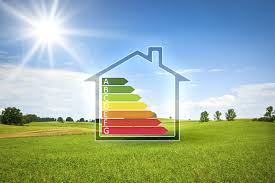
In today’s world, energy efficiency has become more than just a trend; it is a necessity for homeowners seeking to reduce utility costs and minimize environmental impact. Energy-efficient upgrades not only contribute to a greener lifestyle but also increase the overall comfort and value of a home. Simple changes, such as upgrading insulation, replacing old appliances, or installing energy-efficient lighting, can dramatically lower energy consumption and utility bills over time. These upgrades help homeowners achieve long-term savings while supporting a sustainable future.
Insulation and Weatherproofing
One of the most effective energy-efficient upgrades involves enhancing a home’s insulation and weatherproofing. Proper insulation in walls, attics, and floors prevents heat loss during the winter and keeps interiors cooler in the summer. This reduces the reliance on heating and cooling systems, which are typically the largest contributors to household energy consumption. Weatherproofing measures, such as sealing gaps around windows and doors, adding draft stoppers, and using energy-efficient window treatments, further enhance the home’s ability to maintain a consistent indoor temperature. Investing in these improvements can significantly reduce energy waste and lower heating and cooling bills.
Upgrading Heating and Cooling Systems
Replacing outdated heating, ventilation, and air conditioning (HVAC) systems with modern, energy-efficient models is another impactful upgrade. Contemporary systems are designed to consume less energy while providing more precise temperature control and improved air quality. Programmable thermostats complement these systems by allowing homeowners to regulate temperatures according to daily schedules, ensuring energy is not wasted when spaces are unoccupied. Regular maintenance, such as cleaning filters and checking ductwork, also helps maintain peak efficiency, extending the lifespan of HVAC equipment while minimizing unnecessary energy consumption.
Energy-Efficient Windows and Doors
Windows and doors are critical points for energy loss in a home. Installing energy-efficient windows with double or triple glazing and low-emissivity coatings can drastically reduce heat transfer, keeping interiors cooler in summer and warmer in winter. Similarly, energy-efficient doors made from insulated materials prevent drafts and improve overall thermal performance. These upgrades not only enhance energy efficiency but also reduce outside noise and improve indoor comfort, creating a more enjoyable living environment.
Lighting and Electrical Upgrades
Switching to energy-efficient lighting solutions is a simple yet impactful step toward sustainability. LED bulbs consume significantly less electricity than traditional incandescent bulbs and have a longer lifespan, reducing both energy costs and waste. Upgrading electrical systems to accommodate energy-efficient appliances and incorporating smart home technologies can further optimize energy use. Smart lighting controls, occupancy sensors, and automated systems allow homeowners to adjust lighting and power usage based on actual needs, eliminating unnecessary energy consumption without sacrificing convenience.
Appliance and Water Heating Improvements
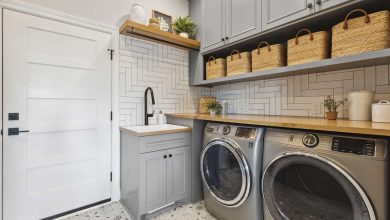
Modern energy-efficient appliances, such as refrigerators, washing machines, and dishwashers, are designed to minimize energy and water usage. Replacing older appliances with ENERGY STAR-rated models can lead to substantial savings over time. Additionally, upgrading water heaters to tankless or high-efficiency models reduces energy consumption by heating water only when needed. Low-flow fixtures and faucets complement these upgrades by reducing water usage, which in turn decreases the energy required to heat water. Together, these measures contribute to a more energy-conscious household with lower utility bills.
Renewable Energy Integration
For homeowners seeking the ultimate energy-efficient upgrade, integrating renewable energy sources like solar panels or small wind turbines can transform a home into a self-sufficient energy hub. Solar energy systems capture sunlight to generate electricity, reducing dependence on traditional power grids and lowering monthly energy costs. Even partial adoption, such as installing solar water heaters or solar-powered outdoor lighting, contributes to a more sustainable home. These investments may require an initial outlay but offer long-term financial and environmental benefits, along with potential government incentives and tax credits.
Smart Home Technology for Energy Management
Smart home technologies are revolutionizing the way energy is consumed and monitored. Home energy management systems provide real-time data on electricity usage, allowing homeowners to identify areas of waste and implement targeted solutions. Automated controls for heating, cooling, lighting, and appliances ensure optimal energy use throughout the day. By integrating these technologies with renewable energy systems, homeowners can achieve a seamless, efficient, and environmentally conscious living space. Energy-efficient upgrades combined with smart technology not only enhance convenience but also foster a proactive approach to sustainable living.
Conclusion
Investing in energy-efficient upgrades is a strategic choice for homeowners looking to reduce costs, increase comfort, and contribute to environmental sustainability. From improving insulation and upgrading HVAC systems to installing energy-efficient windows, lighting, appliances, and renewable energy sources, each improvement plays a crucial role in minimizing energy waste. These upgrades create a more sustainable home while providing long-term financial benefits. By embracing energy efficiency, homeowners can enjoy lower utility bills, enhanced comfort, and the satisfaction of making a positive impact on the planet.