Water leaks in HVAC systems are not just inconvenient; they can cause significant damage to your home, drive up energy costs, and result in costly repairs. Identifying the signs of a water leak early and knowing how to prevent them can save you time, money, and a lot of frustration. In this article, we will walk you through how to spot and prevent water leaks in your HVAC system, ensuring your home remains comfortable and energy-efficient.
Understanding the Basics: How Water Leaks Occur in HVAC Systems
Before diving into how to spot and prevent water leaks, it’s important to understand how they happen in the first place. An HVAC system, particularly air conditioning units, can produce condensation when the warm air inside your home meets the cold coils of the air handler. This process is entirely normal, but issues arise when the water does not drain properly, causing leaks. In such cases, it’s important to seek water leak repair in Cumming, GA to avoid further damage.
Common Causes of Water Leaks in HVAC Systems:
- Clogged Drain Line: The most common reason for water leaks is a blocked drain line. If the drain line is obstructed by dirt, algae, or other debris, it prevents water from draining properly.
- Frozen Coils: When the evaporator coils freeze due to low refrigerant levels or poor airflow, the ice melts, leading to a sudden influx of water, which can overflow and leak.
- Faulty Drain Pan: The drain pan catches the condensation, but if it’s cracked or rusted, it can cause water to leak.
- Low Refrigerant Levels: Low refrigerant levels can cause the evaporator coils to freeze, leading to the same issues as mentioned above.
- Improper Installation: If your HVAC system was not installed correctly, water drainage can become problematic, especially in the case of improper slope or unsealed joints.
How to Spot a Water Leak in Your HVAC System
Now that we know the main causes, let’s explore how you can spot a water leak before it causes significant damage.
1. Unusual Water Stains or Dampness Around the Unit
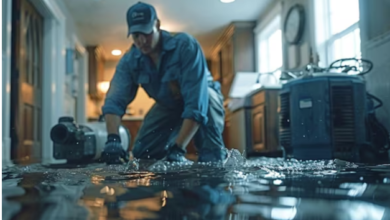
One of the first signs of a water leak in an HVAC system is the presence of water stains, puddles, or dampness near the air handler or furnace. If you notice water pooling around your system, especially on your floor or ceiling near ducts, it’s time to investigate.
2. Increased Humidity in the Home
HVAC systems are designed to regulate humidity in the home. If you notice that the air feels muggy or sticky even when the AC is running, this could be a sign that your system is not properly draining condensation. This could be due to a water leak or an issue with the drain line.
3. Water Dripping from the Unit
Water dripping directly from the air handler or unit is a clear indication that there is a leak somewhere in the system. This could happen if the drain pan is full, the drain line is clogged, or the coils are frozen and melting.
4. Musty or Moldy Smell
A clogged drain line or excess water around the HVAC system can create the perfect environment for mold and mildew to grow. If you detect a musty smell near the unit, it’s important to check for water leakage and clean the system before the mold spreads.
5. Ice on Coils or Refrigerant Lines
If you see ice forming on the coils or refrigerant lines, it’s a sign that the system is not functioning properly. Ice buildup occurs when there isn’t enough airflow, causing condensation to freeze. As the ice melts, water can leak from the unit, leading to damage.
6. Increased Utility Bills
A slow, unnoticed water leak can cause your HVAC system to work harder than it should. As the system works overtime to compensate for leaks or inefficiency, your energy bills will likely rise. If you see a significant increase in energy costs without any clear reason, it’s time to check your HVAC system for potential water leaks.
How to Prevent Water Leaks in Your HVAC System
The best way to deal with water leaks in HVAC systems is to prevent them in the first place. Here are some expert tips on how to keep your HVAC system functioning efficiently:
1. Regular Maintenance and Inspection
Routine HVAC maintenance is the best way to catch water leaks early and prevent them from happening. Schedule annual inspections with a professional HVAC technician to check for leaks, clean the condensate drain line, inspect the evaporator coils, and ensure that the drain pan is functioning properly.
2. Clear the Drain Line Regularly
Over time, the condensate drain line can become clogged with algae, dirt, or other debris. Clearing the drain line is essential to prevent water from backing up into your system. You can use a wet-dry vacuum or hire a professional to flush the line and remove any obstructions.
3. Replace a Faulty Drain Pan
If your HVAC system’s drain pan is cracked or rusted, it’s crucial to replace it immediately. A damaged drain pan can cause water to spill out of the unit, creating a leak. If you’re unsure whether your drain pan needs replacing, ask an HVAC technician to inspect it.
4. Keep Coils and Filters Clean
Dirty coils or air filters can restrict airflow and cause your HVAC system to work harder, potentially leading to frozen coils. Clean the coils regularly and replace the air filters to keep the system running smoothly. This will help prevent condensation buildup and water leakage.
5. Maintain Proper Refrigerant Levels
Low refrigerant levels can cause your HVAC coils to freeze, which can result in leaks once the ice melts. Keep an eye on your refrigerant levels and have them recharged if necessary. If you suspect a refrigerant leak, contact a technician right away.
6. Proper Installation and Slope
If you are installing a new HVAC system, ensure that it is installed correctly, with proper slope and sealants to avoid water drainage issues. Poor installation is a common cause of water leaks, and it’s essential to hire a professional HVAC contractor who follows industry standards.
7. Install a Humidity Control System
If you live in a humid area, installing a dedicated humidity control system or dehumidifier in conjunction with your HVAC system can help manage moisture levels in your home. This will reduce the risk of water accumulating around the unit and causing leaks.
What to Do If You Have a Water Leak in Your HVAC System
If you discover a water leak in your HVAC system, it’s essential to act quickly to prevent further damage. Here’s what you can do:
- Turn Off the System
Immediately turn off the HVAC system to prevent water damage to the components and surrounding areas. - Inspect the Drain Pan and Line
Check the drain pan for damage or overflow. If the line is clogged, use a wet-dry vacuum to clear it out or contact a professional to flush the line. - Call a Professional for Water Leak Repair in Cumming, GA
If the leak persists, or if you suspect a more serious issue like frozen coils or a refrigerant problem, it’s best to contact a licensed HVAC professional. In Cumming, GA, there are experienced technicians who can provide water leak repair and ensure your system is working efficiently.
Conclusion
Water leaks in HVAC systems may seem like a minor issue, but if left unchecked, they can lead to extensive damage and increased repair costs. By knowing how to spot the signs of a leak early and taking preventative measures to maintain your system, you can avoid costly repairs and keep your home comfortable year-round. Regular maintenance, cleaning the drain lines, replacing faulty parts, and ensuring proper airflow are essential steps in keeping your HVAC system leak-free. If you notice persistent issues, don’t hesitate to contact professionals for water leak repair in Cumming, GA, to resolve the problem before it worsens.