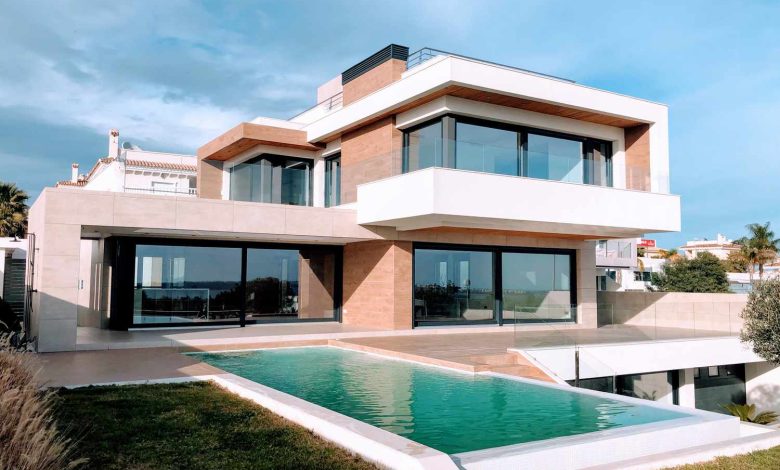
Minimalist architecture is a design philosophy that emphasizes simplicity, clarity, and functionality. It emerged in the mid-20th century as a response to excessive ornamentation in traditional architecture, promoting a “less is more” approach. The essence of minimalist design lies in creating spaces that are visually calm and uncluttered, using clean lines, neutral colors, and simple forms. This architectural style does not simply remove elements but intentionally focuses on essential components, harmonizing space, light, and materials. Minimalist architecture seeks to create an environment that feels open, airy, and serene, encouraging inhabitants to connect with their surroundings and experience tranquility in daily life.
Key Principles of Minimalist Architecture
Minimalist architecture is guided by several core principles that inform its design choices. One of the primary principles is simplicity, which involves reducing structures to their basic forms and avoiding unnecessary decoration. Another principle is functionality, where every element of a building serves a clear purpose, and wasted space is minimized. Natural light plays a crucial role, with large windows, skylights, and open layouts used to bring light deep into interiors, enhancing spatial perception and comfort. The use of natural materials such as wood, stone, concrete, and glass is common, allowing textures and tones to become subtle design features. Additionally, open spaces and clean lines are central, creating a sense of order and balance that is visually soothing and practical for everyday living.
Design Elements in Minimalist Architecture
Minimalist architecture incorporates specific design elements that distinguish it from other styles. Open floor plans are often used to promote flow between spaces, removing visual and physical barriers to create a sense of unity. Furniture and built-in storage are designed to be functional while maintaining a streamlined aesthetic. Neutral color palettes, including whites, grays, and earthy tones, dominate interiors, allowing natural light and textures to define the space rather than bold patterns or decorations. Minimalist architects also prioritize the integration of indoor and outdoor spaces, blurring boundaries through sliding glass doors, terraces, and courtyards. The careful selection of materials emphasizes quality and durability, with surfaces often left bare or minimally treated to highlight their natural beauty.
Benefits of Minimalist Architecture
Minimalist architecture offers several advantages beyond its visual appeal. By focusing on simplicity and eliminating unnecessary elements, it creates spaces that are easier to maintain, clean, and organize. Open layouts and thoughtful storage solutions reduce clutter, enhancing both mental clarity and physical comfort. Minimalist homes also tend to maximize natural light and ventilation, contributing to energy efficiency and a healthier living environment. The style encourages mindfulness, as it invites occupants to prioritize essential elements and cultivate a sense of calm in their surroundings. Furthermore, minimalist architecture is highly versatile and timeless, allowing spaces to remain elegant and relevant without frequent updates or modifications.
Minimalist Architecture in Modern Living
In contemporary urban contexts, minimalist architecture is particularly relevant as it adapts to compact spaces and changing lifestyles. Apartments, small houses, and offices benefit from its principles, which optimize space usage while maintaining aesthetic appeal. Minimalist design also aligns with sustainable practices, as it emphasizes resource efficiency, durable materials, and reduced consumption. Many modern architects incorporate smart technologies seamlessly into minimalist structures, enhancing convenience without disrupting the clean, simple design. This integration of functionality, elegance, and sustainability makes minimalist architecture an ideal choice for modern living environments that value efficiency, tranquility, and timeless beauty.
Conclusion
Minimalist architecture is more than a design style; it is a philosophy that prioritizes simplicity, functionality, and harmony. By focusing on essential elements, natural materials, open spaces, and clean lines, minimalist design creates living environments that are aesthetically pleasing, practical, and calming. Its timeless appeal, adaptability, and emphasis on quality over quantity make it a preferred choice for contemporary homes, offices, and urban spaces. Minimalist architecture encourages a thoughtful, intentional approach to building and living, offering spaces that inspire clarity, peace, and balance in everyday life.