Essential Highlights Before Buying Your Aircon
- Proper sizing matters more than choosing the highest cooling capacity for your living space.
- Excessive aircon compressor noise often stems from poor placement or inadequate wall mounting.
- Regular professional servicing prevents unexpected breakdowns and preserves energy efficiency.
- Considering long-term maintenance costs upfront saves money compared to focusing solely on the initial price tag.
Why Choosing the Right Aircon Isn’t Always Simple
Living in a warm climate means a reliable cooling system is essential for daily comfort. However, buying an aircon in Singapore can be surprisingly complex. Many homeowners assume that buying a cooling unit is as straightforward as picking a popular brand and selecting a model within budget. In reality, several hidden factors, from room dimensions to mounting surfaces, greatly influence everyday performance. Misunderstandings at the buying stage can lead to higher monthly electricity bills, uneven room temperatures, and annoying operational sounds. Understanding these common misconceptions helps you make a confident decision for long-term comfort.
Is a Higher BTU Rating Always Better for Your Room?
A frequent assumption among homeowners is that a higher BTU (British Thermal Unit) rating guarantees better cooling. It seems logical: a stronger unit should cool your room faster. However, installing an oversized system often creates subtle problems. When an aircon is too powerful for a space, it cools the air rapidly without running long enough to remove ambient humidity. This leaves your living room feeling clammy rather than crisp and comfortable.
Furthermore, oversized units cycle on and off frequently. This constant short-cycling puts unnecessary strain on components and inflates power consumption. Conversely, an undersized unit works continuously at maximum capacity, struggling to maintain desired temperatures during hot afternoons. Finding the correct balance requires evaluating room size, ceiling height, direct sunlight exposure, and window placement. Matching the capacity precisely to your floor plan ensures steady cooling performance and keeps operating costs predictable year after year.
What Causes Excessive Aircon Compressor Noise After Installation?
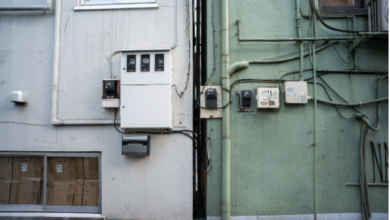
Few things disrupt household peace like persistent noise coming from your cooling equipment. Many buyers assume all outdoor units operate silently, only to be surprised by loud vibrations later. Understanding aircon compressor noise starts with examining how and where the condenser is mounted. External compressors contain moving parts, including motor fans and pistons, which naturally generate sound during operation.
Common causes of unusual or excessive noise include:
- Loose mounting brackets or worn rubber isolation pads that transfer vibrations directly to wall structures.
- Unsuitable bracket placement near bedroom windows or light structural partitions.
- Debris accumulation or loose internal components inside the outer casing.
- Refrigerant flow issues or early mechanical wear due to delayed maintenance.
Proper installation location plays a critical role in sound control. Mounting the outdoor unit on a solid concrete ledge with quality vibration dampeners significantly reduces noise transfer into living spaces. Choosing quiet compressor models and scheduling routine inspections keeps sound levels minimal.
Why Does Energy Efficiency Involve More Than Just Tick Ratings?
When planning an aircon purchase in Singapore, shoppers rightly pay attention to energy efficiency labels. Energy ratings offer a helpful baseline, but relying solely on tick marks can be misleading. High efficiency on paper does not automatically guarantee lower electricity bills if the overall installation environment is flawed.
For instance, poor wall insulation, unsealed door gaps, or installing indoor units directly opposite heat-generating appliances forces the system to work much harder. Inverter technology excels at adjusting motor speed to match cooling demand, yet its efficiency drops if air filters remain clogged with dust. Ductwork leaks or improper piping insulation can also waste substantial energy before cooled air reaches your living area. To achieve true energy savings, view efficiency as a combination of unit design, thoughtful placement, and consistent operational care.
How Do Maintenance Requirements Impact Long-Term Aircon Costs?
Buyers often focus intensely on initial purchase prices while overlooking ongoing maintenance requirements. Assuming a brand-new system will run smoothly for years without attention is a common oversight. Humidity and daily usage cause dust, mould, and airborne particles to accumulate inside drainage trays and cooling coils over time.
Ignoring routine maintenance reduces airflow, worsens indoor air quality, and forces internal motors to work under extra stress. Over months, this neglect leads to water leaks, foul odours, and premature component failures. Regular servicing (including filter washing, coil cleaning, and system checks) preserves optimal airflow and prevents sudden repairs. Investing in consistent professional care protects your equipment and ensures smooth, quiet operation throughout its entire operational lifespan.
Final Steps Toward a Comfortable and Quiet Home
Navigating an aircon purchase in Singapore requires looking beyond surface-level specifications. By accurately calculating room requirements, choosing ideal compressor placement, and committing to regular maintenance, you protect both your comfort and your wallet. Making informed choices upfront prevents common headaches like high power bills and disruptive noise.
Reach out to us at Airple for professional guidance, seamless installation, and expert servicing tailored to your home cooling needs.