Bel Furniture Guide for Modern Homes, Style, Comfort, and Value

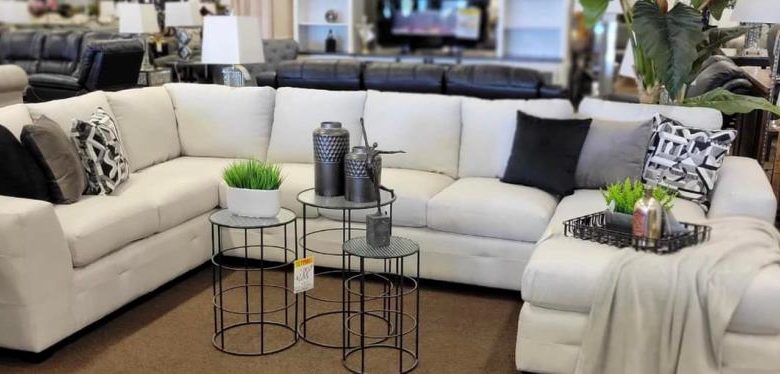
Introduction
Homeowners who want a good blend of comfort, style, and price have come to know Bel furniture as a brand name. Furniture choices are quite important for how a home feels and works every day in a time when living spaces are expected to be both stylish and useful. People are becoming more picky about the materials, designs, and utility of the furniture they put in their homes, whether they live in a little apartment or a big family house. This increased understanding has changed how furniture companies market themselves and how customers judge value beyond just how things look.
People today often want furniture that can change with their needs, including seating that can be used for more than one thing, upholstery that can stand up to family use, or statement pieces that make a room appear better. The attractiveness of bel furniture comes from the fact that it may meet these needs while yet being affordable for a wide spectrum of purchasers. Furniture is no longer simply for filling empty rooms; it’s also for showing off your style, helping you with your everyday tasks, and making spaces feel orderly and pleasant.
How Furniture Design Has Changed in Modern Homes
Over the past few decades, furniture design has changed a lot. Instead of only being decorative, furniture now focuses on comfort, utility, and durability. In the past, people liked heavy materials and fancy details. Today, homeowners choose cleaner lines, flexible layouts, and materials that look good and are easy to care for. This transformation is part of a bigger trend in how people live, such as living in cities, having flexible workspaces, and putting more emphasis on health at home.
Bel furniture fits in with this change by making designs that are modern but not too popular. This balance is vital because homeowners want things that will still look good years from now. Furniture can go in with a lot of different styles because it comes in neutral colors, has useful shapes, and is well-made. These designs are flexible enough to go in with both modern minimalism and comforting traditional decor, so you’ll be happy with them for a long time.
The Materials and Craftsmanship that go into Everyday Furniture Choices
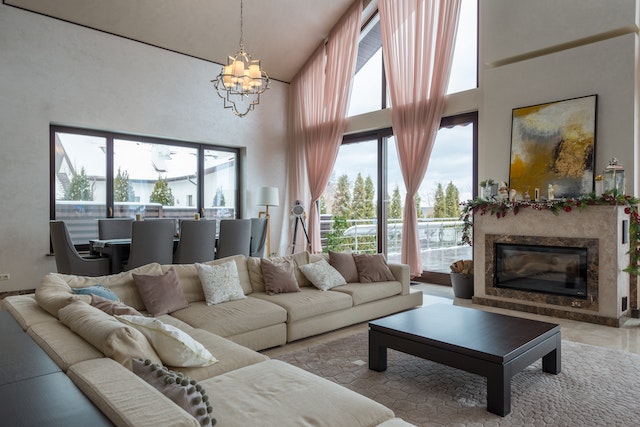
The quality of the materials is one of the most important things to think about when choosing furniture because it impacts how long it lasts, how comfortable it is, and how much it is worth altogether. People today know more about the variations between solid wood, engineered wood, metal frames, and different types of upholstery materials. They know that craftsmanship is more than just how something looks on the outside; it also includes how strong the joints are, how well the cushioning works, and the finishing elements.
Bel furniture focuses on building methods that make sure the furniture works well every day. Furniture that feels reliable over time has strong frames, balanced cushioning, and finishes that are made to last. This attention on craftsmanship makes it less annoying to have to replace things often, which is especially essential for families and those who consider furniture as a long-term investment rather than a short-term fix.
Comfort as an Important Part of Home Furniture
Comfort is now a big part of buying furniture, especially since homes are often used for work, play, and relaxing. Seating must be able to be used for lengthy periods of time without hurting posture or creating pain. People expect sofas, chairs, and recliners to be comfortable and look good at the same time.
Bel furniture puts a lot of effort into comfort by using cushioning and features that support the body. The idea is to make furniture that makes people want to sit down, relax, and spend time together. Comfort isn’t only about how soft something is; it’s also about how deep the seat is, how well the back is supported, and where the armrests are. These things work together to make life more joyful, which supports the premise that furniture should improve daily life instead of just making a space look nice.
Furniture Styles That Fit Different Interior Styles
Homes today show a wide spectrum of personal styles, from modern, sleek interiors to cozy, traditional ones. Successful furniture brands are those that have a wide range of styles that fit these different tastes without making customers feel overwhelmed. Homeowners can feel good about furnishing their spaces when styles are consistent, collections are harmonious, and designs can be changed.
Bel furniture comes in styles that can fit in with a variety of settings, so homeowners can keep the look of their homes consistent. This flexibility is especially useful for people who want to make small changes over time instead of completely redesigning their space. Furniture that goes well with the rest of your home decor means you won’t have to change things up as often, which is better for the environment.
Things to Think about While Buying Furniture: Price and Value
When buying furniture, price is always a big deal, but these days, people tend to think about value instead of just cost. When assessing if an item is worth the money, they think about how long it will last, how comfortable it is, and how long the design will last. A sense of trust builds between the brand and the buyer when the price is low and the quality is high.
Bel furniture attracts customers who care about value by giving them choices that feel solid without being too expensive. This equilibrium lets homeowners equip more than one space without giving up comfort or style. When furniture works well and looks well over time, customers know they made a smart choice.
Furniture for the Living Room and Other Social Spaces

People frequently think of the living room as the heart of the home because it’s where family and friends come together. The furniture in this room needs to be comfortable, long-lasting, and good-looking, and it needs to be able to handle varied activities including talking, playing games, and relaxing. The way the room works and feels is affected by the seating, tables, and storage.
Bel furniture makes living room furniture that encourages socializing and comfort every day. The design of sofas and other sitting pieces is meant to make people feel comfortable while still looking nice. This method helps make homes feel tidy and pleasant, which shows how important furniture is for having meaningful experiences at home.
Furniture for the Bedroom and Personal Comfort Zones
Bedrooms are very personal places where peace and comfort are very important. The furniture you choose in these places has a direct effect on how well you sleep, how organized you are, and how healthy you are overall. To make a space that feels quiet and useful, beds, dressers, and storage options must all work together.
Bel furniture makes bedrooms more comfortable by focusing on designs that are both functional and pleasing to the eye. Storage solutions are made to use as much space as possible without appearing cumbersome. Bed frames and other elements help create a peaceful and unified ambiance. This focus on personal comfort shows how important furniture is for supporting daily life and long-term health.
Dining Areas and Everyday Use
Dining rooms have changed from formal locations to places where people eat, work, and get together with friends. The furniture in these places needs to be strong, easy to clean, and pretty enough to fit in with different events. Tables and chairs should be comfortable enough for everyday use but still feel unique when people come over.
Bel furniture meets these objectives by making dining room furniture that is both sturdy and stylish. Dining furniture may go in with many different forms of decor because of its well-thought-out dimensions and finishes. This keeps these areas useful and welcoming. This flexibility shows how people live nowadays, when being flexible is really important.
Taking care of Furniture and Keeping it in good Shape for a long Time
Taking care of furniture properly is really important for keeping it looking good and lasting longer. People today want to know more about how to take care of their furniture, from cleaning the upholstery to keeping the surfaces from getting worn down. Easy-to-care-for furniture is worth more and is easier to use.
Bel furniture is made using finishes and materials that can handle everyday use, so it’s easy to take care of. This sensible method makes owning furniture less stressful and lets people enjoy their homes without always worrying about them. When furniture is made with durability and usefulness in mind, it makes long-term care easier.
How Furniture affects Daily life and Habits
Furniture affects more than just how a room looks; it also affects how people use and interact with their spaces and with each other. Organized storage helps you be more productive and clear-headed, while comfortable seating makes it easier to relax and talk. The appropriate furniture can help you develop good habits every day, which can turn a house into a home.
Bel furniture helps this way of life by making furniture that is meant to be used in the actual world. Furniture that helps with comfort, organization, and visual harmony makes living better overall. This link between furniture and lifestyle shows why it’s so important to choose carefully.
Trends in Home Furnishings and what People Expect From Them
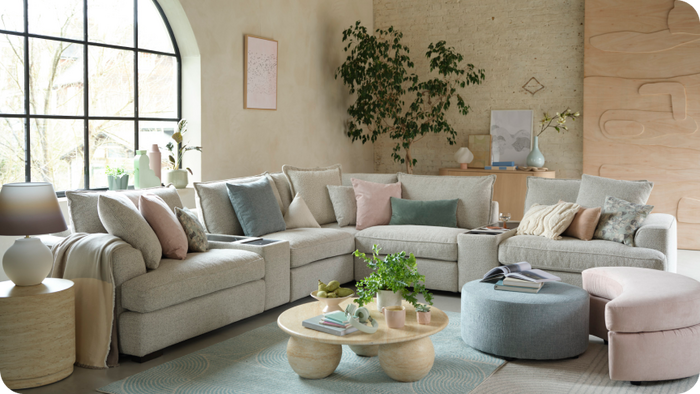
As people learn more about design and care more about the environment, trends in home furnishings keep changing. More and more people want furniture that looks good and is also responsible, long-lasting, and adaptable. Customers want clear information, consistent quality, and designs that are modern yet not too convoluted.
Bel furniture meets these needs by making designs that are useful and will stay useful throughout time. Instead of following short-lived trends, the focus is on making furniture that fits in with everyday life. This approach appeals to people who care about both looks and substance.
How to Pick the Right Furniture for Your Home
When choosing furniture, you need to think about your area, your lifestyle needs, and your long-term ambitions. To make smart choices, you need to measure things, arrange the layout, and know how the items will be used. The flow of a home should not be broken by furniture.
Bel furniture makes this choice easier by offering styles that work in a variety of room sizes and layouts. This flexibility gives homeowners peace of mind about their decisions and lowers the chances that they would regret their purchase. Choosing furniture carefully makes living spaces more peaceful.
Conclusion
Bel furniture is a mix of comfort, style, and usefulness that fits well with how people live nowadays. As homes become more flexible and serve more than one purpose, furniture needs to change to keep up with new habits and tastes. These pieces are good for a lot of different homes since they focus on durability, design versatility, and comfort every day.
In the end, furniture is an investment in everyday life that affects comfort, organization, and how you express yourself. Bel furniture is a good choice for homeowners who want reliable and elegant solutions because it meets these criteria in a balanced way. When furniture serves a purpose and makes you feel good, it becomes an important feature of a well-designed house.
Read More:- Coleman Furniture Guide for Stylish, Durable Home Living