Introduction
Making a home that looks well and works well is no longer just for a few people. People today desire homes that show off their personality, fit their way of life, and stay comfortable for a long time. As a result of this increased demand, home design services are now an important aspect of designing and renovating homes. Professional designers don’t just guess or follow short-term trends. Instead, they focus on long-term value, spatial harmony, and careful personalization. A well-designed home does more than look good; it makes daily tasks easier, lifts your spirits, and gives every area a feeling of equilibrium.
How Ideas about Residential Design have Changed Over Time
Over the past few decades, residential design has changed a lot. People used to build homes mostly for shelter, and looks were not as important. As time went on, design ideas changed to focus on comfort, transparency, and making emotional connections. Homeowners today want their homes to be able to change with their requirements, whether that means working from home, having more kids, or taking care of themselves. Home design services have changed to meet these needs by combining architectural, interior planning, and lifestyle analysis into one strategy. Designers now think about how light moves through a room, how people use it, and how materials affect comfort and longevity.
What a Professional Home Designer Does
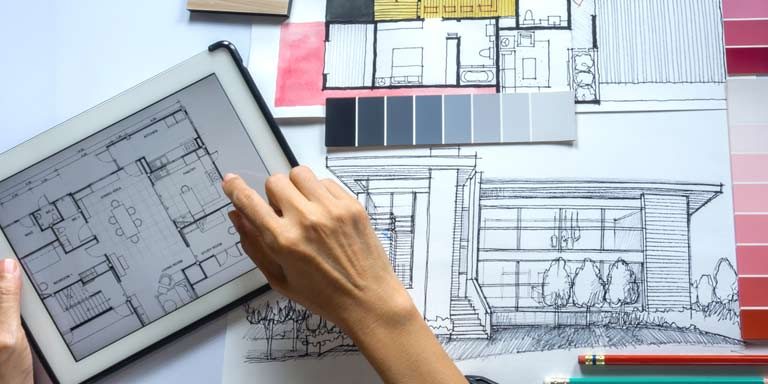
A skilled house designer does more than just choose colors and furniture. They need to know how a home is built, how the people who live there act, and what the homeowner wants to do in the future. Professionals that offer home design services help people find a balance between creativity and usefulness. They turn ideas into layouts that make sense and make sure that every part of the house has a purpose. This knowledge helps you avoid making expensive mistakes, such choosing the wrong materials or designing rooms that don’t work well, which can lower comfort and resale value.
Planning the Space and Designing the Layout for How it Will Work
Space planning is one of the most crucial parts of designing a home. If you don’t plan your areas well, they can feel crowded, confused, or not used enough. Professional designers look at how rooms are connected and how people move about the house. With professional home design services, every room is set up to help with daily tasks like cooking, eating, relaxing, and working. Functional design make the flow better, use up all the space, and make even small homes feel more open. This kind of careful planning is what typically makes a property stand out from the others.
Combining Personal Style and Interior Design
The owner’s personality and tastes should show in their home. The way the inside looks is quite important for making this connection. Designers talk to homeowners a lot to find out what they like, how their culture affects them, and what their lifestyle demands are. Home design services make sure that everything works together by carefully choosing color palettes, textures, and materials. Professionals don’t follow fads that only last for a short period. Instead, they focus on things that will always look good and let people express themselves. The end result is a home that feels real and cozy instead of contrived or cold.
Choosing the Right Materials and Making Sure they Last a Long Time
It is important to choose the proper materials for both looks and long-term performance. Cabinetry, flooring, wall finishes, and fixtures need to look good and last through regular use. Professional designers know how to choose materials that are stylish, easy to care for, and long-lasting. Homeowners can get trusted home design services that give them smart advice that stops problems like early wear and tear or expensive replacements from happening in the future. This method makes sure that the house stays beautiful and useful for years, not only after it is finished.
Lighting Design and the Mood of the Space

The way a home feels is greatly affected by the lighting. Natural and artificial light must work together to make a space feel warm, clear, and comfortable. Designers meticulously create lighting patterns to bring out architectural details, help with jobs, and make people feel more at ease. With the help of professional home design services, lighting becomes a part of the design instead of an afterthought. Proper lighting can make rooms look bigger, make people feel better, and save energy, all while bringing depth and personality to the inside of a building.
Customization for Daily Comfort and Lifestyle
Customization is important in domestic design because every household is different. Families with kids, people who work from home, and retirees all have different needs. Home design services focus on making places that meet these objectives, including rooms that can be used in different ways, smart storage solutions, or layouts that are comfortable to use. Customization makes sure that the home fits in with daily life, which lowers stress and makes the home more comfortable overall. A personalized approach makes a house into a real home instead of just a building.
Combining Technology in Modern Homes
Technology is now a big aspect of everyday life. Smart solutions make things easier and more efficient, from climate control to security systems. Designers think about how technology works with the look and feel of a home as a whole. Home design services can keep areas from getting too cluttered and wires from being seen by using technology in a smart way. The idea is to make new things fit in with the old ones in a way that feels natural and easy to understand. This will keep modern homes both high-tech and beautiful.
Knowledge of Renovation and Remodeling

When you renovate an old home, you face different problems than when you design a new one. Planning is important because of structural problems, old layouts, and problems that aren’t obvious. Before suggesting solutions, professional designers look at these things. With specialist home design services, renovations are done in a planned way that keeps what works and fixes what doesn’t. This level of knowledge reduces problems, keeps prices down, and makes sure that the upgraded home matches the homeowner’s vision without sacrificing safety or function.
Making Choices that are Good for the Environment and People
You have to do sustainable design now; it’s not just a choice. Homeowners that care about the environment look for ways to use less energy and have less of an effect on the environment. Designers use eco-friendly materials, layouts that work well, and methods that are good for the environment in their plans. Home design services that put sustainability first make homes that are better for the people who live in them and last longer. Making responsible design choices also adds value because they fit in with the worldwide trend toward living more sustainably.
Planning a Budget and Saving Money
It might be hard to keep track of a design budget without help from a pro. When initiatives aren’t planned well, they can cost more than projected. Designers help set realistic budgets and make sure that resources are used wisely. With the help of skilled home design services, homeowners can figure out where to spend money and where to save it without giving up quality. Being cost-effective doesn’t mean giving up style; it means making smart choices that get the most value and cut down on waste.
How a Well-Designed Home Affects Your Emotions
A residence that was carefully planned has a strong emotional effect. It makes you feel relaxed, like you belong, and proud. Balanced and harmonious spaces help people relax and feel good mentally. The goal of home design services is to build spaces that are welcoming and healing. When the design of a home fits with your values and way of life, it becomes more than just a building; it becomes a place of comfort and inspiration.
Value and Appeal of Property Over Time
A well-designed home is worth more than just the pleasure it brings every day. Layouts that work, high-quality materials, and classic looks all make a home more appealing. Buyers typically notice and like professional design features, which makes it easier and more profitable to sell the property again. Homeowners that hire home design services not only make their homes more comfortable, but they also increase the value of their homes over time.
What will Happen to Home Design Services in the Future
As people’s lives change, so will the way homes are designed. Flexibility, sustainability, and customisation will still be important topics. More and more, home design services will focus on flexible areas that may change to meet future needs. Homes of the future will be shaped by the use of technology, wellness ideas, and environmentally friendly practices. Professional designers will still be very important in turning these ideas into real, usable settings.
Conclusion
Designing a home is a very personal and complicated process that goes much beyond how it looks on the outside. It takes a careful mix of originality, usefulness, and planning forward. Homeowners can get professional help with home design that turns their ideas into pleasant, coherent, and long-lasting living spaces. A well-designed home makes daily life easier, shows off your personality, and lasts for a long time. Home design services are still a must-have for anyone who wants a genuinely meaningful living environment since they focus on planning, customisation, and long-term value.
Read More:- Creative Home Garden Ideas for Beautiful, Functional Outdoor Spaces