Fire-Safe Home Design Ideas: Creative Ways to Build Resilience Into Your Home

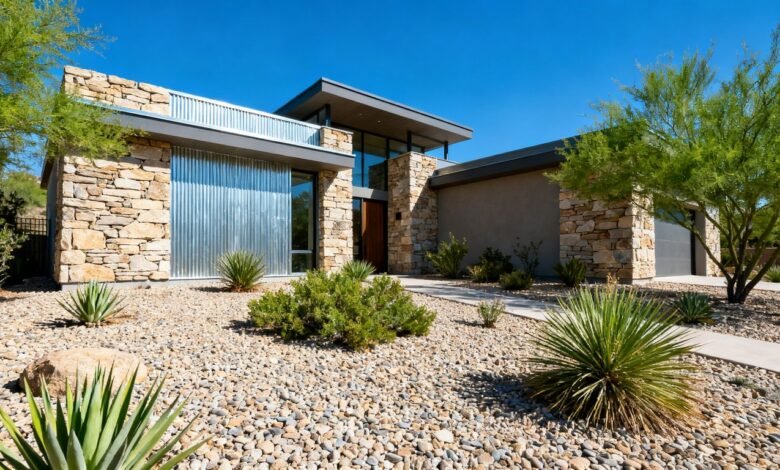
When planning a home, especially in areas prone to wildfires, the foundation is a key starting point for building resilience. A slab-on-grade foundation, where a concrete slab rests directly on the ground, can offer enhanced safety. Unlike raised foundations that might have combustible materials underneath, a slab-on-grade design reduces potential ignition points close to the ground. This type of construction can help slow the spread of fire and smoke, giving occupants more time to evacuate.
Beyond the foundation, the exterior materials play a significant role. Choosing non-combustible exterior cladding is a primary defense. Materials like metal, masonry, or specially treated cementitious products resist ignition from flying embers. It’s important to understand that not all building sites have the same fire risk. Building codes often categorize areas based on fire hazard severity levels—ranging from extreme to moderate. This classification, determined by factors like vegetation type, slope, and local weather patterns, dictates the required level of ignition resistance for construction.
Key considerations for foundational fire-resistant construction include:
- Slab-On-Grade Foundations: These minimize the space beneath the home where embers could potentially ignite combustible materials. They provide a solid, non-combustible base.
- Non-Combustible Exterior Cladding: Selecting materials that won’t easily catch fire from external sources is vital. This includes options like metal panels, stone, brick, or fire-retardant stucco.
- Understanding Fire Hazard Severity Levels: Local building codes will specify the necessary fire-resistance measures based on the assessed risk of the building site. This helps tailor construction to the specific environment. Sealing gaps around pipes and wires is also a critical step in preventing fire spread from the foundation upwards.
Selecting Fire-Resistant Exterior Materials
When thinking about building a home that can stand up to wildfires, the materials you choose for the outside are a really big deal. It’s not just about looks; it’s about creating a barrier that can help keep your home safe. The right exterior materials can significantly reduce the risk of ignition from flying embers and direct flame contact.
Different areas have different levels of fire risk, and building codes reflect this. Understanding these fire hazard severity levels is the first step in picking the best materials for your location. For homes in areas with high wildfire risk, using non-combustible materials is highly recommended. This includes options like:
- Metal Siding: Aluminum and steel siding are tough against weather and also very fire-resistant, often earning a Class A fire rating. They’re considered noncombustible, meaning they don’t easily ignite or spread fire.
- Masonry and Stone: Materials like brick, natural stone, and ceramic tile offer excellent protection. They don’t have joints that can easily let fire through to the house’s frame.
- Fiber Cement: This material, made from cement, sand, and wood fibers, is a popular alternative to vinyl siding. It also typically achieves a Class A fire rating and holds up well against fire.
Beyond these common choices, there are other advanced options. Fire-retardant treated wood (FRTW) siding is treated with chemicals to slow down flame spread and smoke. Some types of bamboo siding also meet high fire-resistance standards. Even some dense tropical hardwoods have Class A ratings for siding. For roofing, metal, slate, and fiberglass-based asphalt shingles (when installed with proper underlayments) are good choices, all capable of achieving a Class A rating. Choosing materials that are not only fire-resistant but also durable against other environmental factors is key to long-term home resilience. You can find more information on home hardening and fire resistance ratings to help guide your material selections.
Optimizing Window and Door Performance
When it comes to building a home that can withstand fire, the windows and doors are often overlooked, yet they play a significant role. These openings can be vulnerable points where embers can enter and ignite the interior. Therefore, selecting the right types of windows and doors, along with their framing and glazing, is a key step in fire-safe construction.
The Benefits of Double-Pane Windows
While not specifically designed as fire-rated assemblies, double-pane windows offer a step up in protection compared to single-pane options. The extra layer of glass acts as a buffer, slowing down the transfer of heat to the inner pane. This delay can help prevent the inner glass from cracking as quickly when exposed to high temperatures. For framing materials, steel generally offers the highest level of fire resistance, followed by wood and then aluminum. When considering windows for fire-prone areas, looking into options with tempered glass is a good idea, as it’s more durable under heat than standard glass. Some advanced systems can even offer up to 90 minutes of fire resistance, providing valuable time in an emergency. For those concerned about energy efficiency alongside fire safety, many fire-resistant glass units come with low-e coatings, meeting modern building standards. You can find more information on fire-resistant window systems that meet specific standards here.
Steel and Metal Door Solutions
For exterior doors, especially those leading to garages or main entry points, metal options are highly recommended. Steel doors, in particular, are a strong choice for fire resistance. Many steel doors are constructed with a core of heat-resistant insulation bonded to the outer steel panels, offering substantial protection. These doors can provide up to 90 minutes of fire resistance, which is a significant amount of time to allow for safe evacuation. Garage doors, while sometimes exempt from certain fire codes, are still critical entry points. Ensuring they are made of robust materials like steel can prevent embers from entering the garage and igniting stored items. For general exterior doors, metal options are often suggested by fire prevention specialists to create the most fireproof house possible.
Fire-Retardant Wood Door Alternatives
For homeowners who prefer the aesthetic of wood doors but still need fire resistance, there are specialized fire-retardant wood doors available. These doors are constructed with a core designed to offer a specific level of fire protection, often up to 20 minutes. While they may not offer the same level of protection as solid steel doors, they can be a suitable compromise for certain applications. It’s important to note that if a wood door is chosen, it should be solid-core and at least 1-3/4 inches thick. Any glass incorporated into these doors must also meet the same fire-resistance requirements as windows. When selecting materials for your home, understanding the different fire ratings is key, especially in areas prone to wildfires, where a Class A fire rating for roofing materials is considered the highest level of protection here.
Strategic Landscaping for Fire Resilience
When thinking about building a home that can stand up to wildfires, the area right around your house is just as important as the walls and roof. This is where strategic landscaping, often called firescaping, comes into play. It’s all about designing your yard in a way that helps keep fire away from your home. Creating defensible space is the primary goal of this approach.
Creating Defensible Space Around Your Home
Defensible space isn’t just a fancy term; it’s a practical way to give your home a fighting chance against flames. It involves dividing the area around your house into zones, each with a specific purpose for fire prevention.
- The 0–5 Foot Zone: This is your immediate perimeter, right up against the foundation. It needs to be as clear of flammable stuff as possible. Think gravel, stone, or other non-combustible materials here. No plants, no mulch, no clutter. This zone is your first line of defense.
- The 5–30 Foot Zone: Moving a bit further out, this zone allows for more landscaping but still requires careful planning. Here, you can introduce plants, but they need to be spaced out and separated by non-flammable pathways or patios. This breaks up continuous fuel that fire can travel on.
- Beyond 30 Feet: While the immediate area is most critical, continuing to manage vegetation further out helps reduce the overall fuel load near your property.
Implementing Fire-Resistant Landscaping Techniques
Choosing the right plants and placing them wisely makes a big difference. Many native plants are naturally suited to drier climates and tend to be more resistant to fire because they hold moisture well and don’t have a lot of oily sap.
Key techniques include:
- Plant Selection: Opt for plants with high moisture content and low oil. Succulents, certain deciduous trees, and ground covers that don’t dry out easily are good choices. Avoid plants that accumulate a lot of dead, dry material.
- Spacing: Don’t let plants get too crowded. Give them room to grow. Grouping plants with similar watering needs also helps. Creating ‘islands’ of vegetation separated by hardscaping is a smart way to break up fuel.
- Pruning: Keep trees trimmed so that lower branches aren’t close to the ground or touching other plants. This prevents fire from easily climbing into the tree canopy.
- Mulch: Use non-combustible mulch like gravel or stone in the closest zone. Further out, if using organic mulch, keep it moist and no more than a few inches deep.
Utilizing Stone and Stucco Barriers
Hardscaping elements are your friends when it comes to fire resilience. Things like stone pathways, gravel areas, and stucco walls can act as effective firebreaks. Instead of a wooden fence right up against the house, consider a stucco half-wall or a low stone barrier. These materials don’t burn, and they can significantly slow down or stop the spread of flames. Even a simple stone border between garden beds can help. These features not only add visual interest to your yard but also provide a critical layer of protection, complementing the overall fire-resistant home design. Regular maintenance, like clearing dead vegetation and keeping gutters clean, is also vital to keeping your firescape effective over time.
Advanced Fire-Safe Home Design Elements
Beyond the basic structural materials and landscaping, several advanced design elements can significantly bolster a home’s resilience against wildfires. These components often work in concert with other fire-resistant strategies to create a more robust defense.
Non-Flammable Insulation Materials
Choosing the right insulation is key to preventing a home from becoming a fuel source. Traditional fiberglass or cellulose insulation can ignite and spread flames. Instead, consider materials specifically designed for fire resistance:
- Mineral wool (rock wool): This material is made from molten rock and is inherently non-combustible. It can withstand very high temperatures without melting or burning, offering excellent fire protection.
- Spray foam insulation (closed-cell): While some spray foams can be flammable, closed-cell varieties often have fire-retardant properties. They create a dense barrier that can slow the spread of flames and reduce air infiltration, which can feed a fire.
- Rigid foam boards (specific types): Some rigid foam insulation boards are manufactured with additives to improve their fire performance. Always check the product’s fire ratings and certifications.
These options not only provide thermal benefits but also act as a critical barrier against ignition, slowing the rate at which heat can penetrate the building’s envelope. This is a vital step in creating fire-hardened residential construction.
Considering Steel Window Casings
While windows are often a weak point in fire resistance, the framing material plays a significant role. Standard wood or vinyl frames can easily ignite and fail. Steel window casings offer superior fire resistance compared to other common framing materials. They are non-combustible and can withstand extreme heat without warping or melting, providing a more durable barrier against embers and flames. While double-pane windows offer some protection, pairing them with steel frames creates a much more robust assembly. This approach is part of a broader strategy that relies on non-combustible or slow-burning materials.
Exploring Roof Sprinkler Systems
For homes in high-risk areas, an automatic roof sprinkler system can be an invaluable addition. These systems are designed to wet the roof and surrounding vegetation during a wildfire, reducing the chance of ignition from embers or direct flame impingement. The system can be activated manually or automatically when heat is detected. This proactive measure can help protect the home even if other defenses are compromised, offering an additional layer of safety.
Integrating Fire Safety into Architectural Design
When planning a home, especially in areas with wildfire risk, architects face the challenge of balancing aesthetic desires with the practicalities of fire resistance. It’s not about creating stark, uninviting structures, but rather about thoughtfully incorporating safety measures that complement the overall design. The goal is to build homes that are resilient without sacrificing architectural integrity or livability. This involves a layered approach, considering everything from the materials used to the surrounding landscape.
Balancing Aesthetics with Fire Resistance
Many homeowners worry that fire-resistant design means living in a concrete bunker. However, architects can integrate safety features in ways that are both beautiful and effective. This might involve using materials that have a natural fire resistance, like certain types of masonry or metal, and showcasing them as design elements. For instance, a standing-seam metal roof can be a striking visual feature while also offering excellent protection. Similarly, fire-retardant treatments can be applied to materials like wood shingles, allowing for their use in a way that meets safety standards. The key is to view fire resistance not as a limitation, but as an opportunity for creative expression. Architects can explore different textures and finishes to achieve a desired look while still meeting code requirements. This approach helps ensure that the home remains a comfortable and attractive place to live.
Understanding Building Code Requirements
Building codes are the foundation for fire-safe construction, and understanding them is paramount for architects. These codes often specify different levels of fire resistance based on the local fire hazard severity, which considers factors like vegetation density, terrain slope, and weather patterns. For example, areas designated as having an ‘extreme’ fire hazard severity level will have stricter requirements than those with a ‘moderate’ level. Architects must be aware of the specific codes applicable to their project’s location, as jurisdictions may adopt different versions or have local amendments. Staying informed about these regulations is a critical legal and ethical responsibility, leading to safer buildings and smoother approval processes. Familiarizing oneself with resources like the International Wildland-Urban Interface Code (IWUIC) can provide a solid starting point for understanding these requirements fire safety principles.
Creative Applications of Fire-Resistant Materials
Beyond simply meeting code, architects can creatively employ fire-resistant materials to enhance a home’s resilience. This might include:
- Exterior Cladding: Opting for non-combustible materials like metal panels, stucco, or stone instead of traditional wood siding. Even when wood is used, applying fire-retardant treatments can significantly improve its performance.
- Roofing Systems: Utilizing materials such as metal, tile, or certain types of asphalt shingles that have a high fire rating. These materials are less likely to ignite from airborne embers.
- Window and Door Features: Specifying double-pane windows with metal frames and fire-rated doors can create significant barriers against fire intrusion. While steel casings might be ideal, more budget-friendly options like aluminum can also offer improved protection.
- Landscaping Integration: Designing landscaping with defensible space in mind, using fire-resistant plants and creating barriers like stone or stucco walls around patios and garden beds. This thoughtful integration of the surrounding environment is just as important as the structure itself. Architects can use tools like BIM and Revit to plan these integrated safety strategies effectively BIM and Revit.